What Happens Before an Electric Car Reaches a Cold Charger
Follow the energy used to warm a cabin and battery, and use the full journey to understand winter charging behavior.
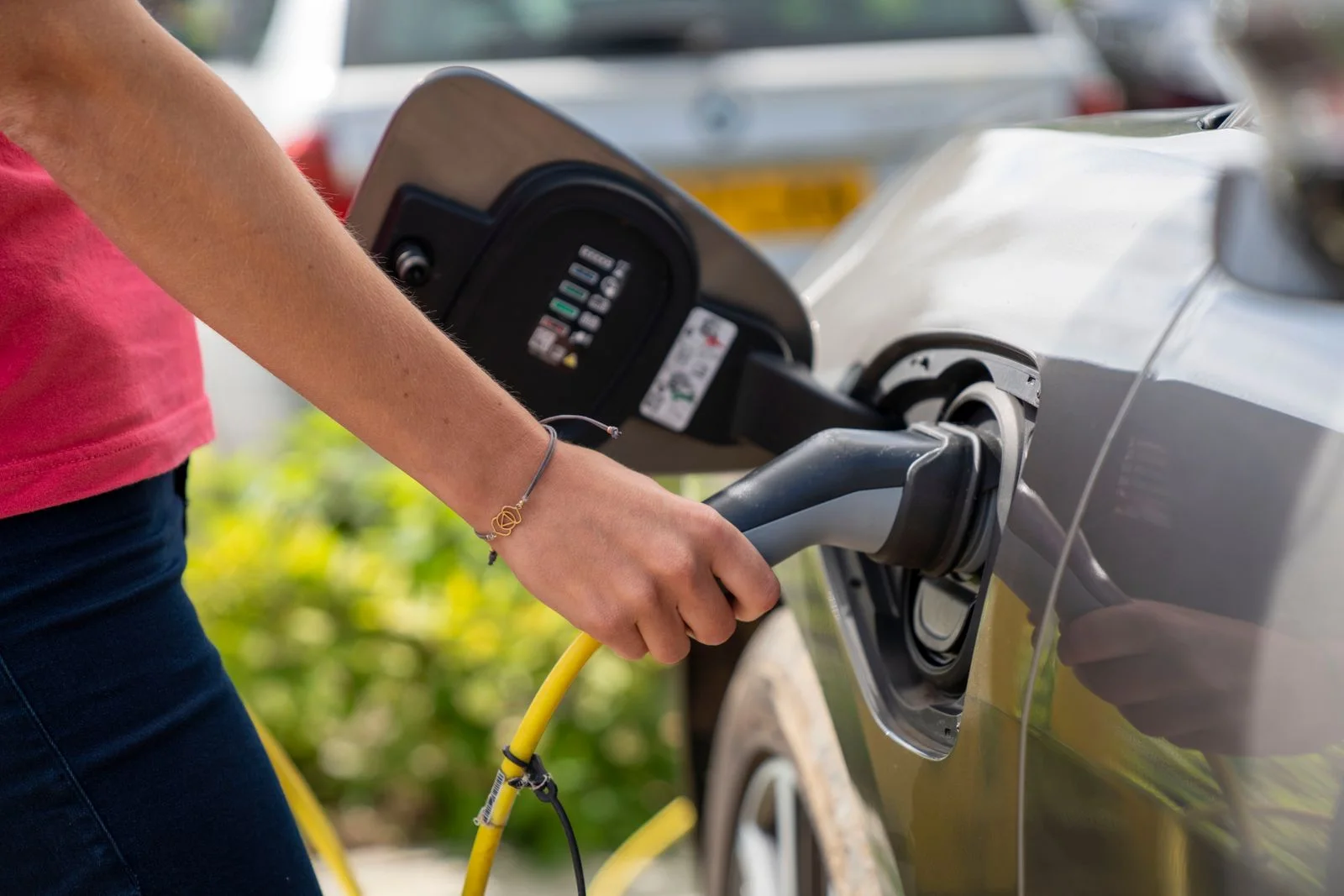
A driver arrives at a fast charger on a cold morning and sees a number far below what the sign promises. The station may be working. The car may also be working exactly as its battery controls intend. Energy has to enter a battery under conditions its management system considers suitable. The cell temperature, state of charge, and charging equipment share the decision. One important part can happen while the car is still on the road.
Preconditioning is a broad description for bringing part of an electric vehicle toward a target condition ahead of use. Cabin preconditioning makes the interior comfortable. Battery conditioning can bring the battery toward a temperature suitable for driving or charging, depending on the model and its control logic. The functions can share equipment and consume energy while serving different needs. To understand a winter trip, find out which function the car is performing and where its energy is coming from. U.S. Department of Energy winter EV guide
The cabin and the battery have different priorities
A driver wants a warm cabin, clear glass, and passengers who can settle in comfortably. A battery management system wants the pack operating within suitable limits. Early in a trip the cabin can feel comfortable while the pack remains near its cold overnight temperature. A vehicle can display one preconditioning setting for occupants and another automatic strategy for the battery. Some documentation uses the same term for both. Look for the section that describes the actual service you expect.
Battery temperature affects the chemical and electrical conditions under which a pack accepts charge. A vehicle can limit the rate under cold conditions to protect the pack. The station may be able to supply more power while the vehicle chooses to request less. As the battery warms or the charge level changes, the request can change. The same charger and car can therefore produce different power readings without any setting on the station being altered.
Heat also has to come from somewhere. A resistive heater consumes electrical energy to make heat. A heat pump can move heat and operate more efficiently under many conditions, with actual performance depending on system design and temperature. Some vehicles use different heat sources depending on the circumstances. Cabin comfort and battery thermal management can share loops or other equipment in some designs. Model documentation is the best route to identifying which features apply to your car. Department of Energy review of cold conditions and EV performance
The departure timer and the charging stop are distinct stages
For recurring use, a departure schedule can prepare a plugged-in car before a known start time. Where the model supports it and the equipment provides the needed power, some of that preparation can use external electricity. Energy still has a cost. Using it at the origin can leave more of the battery’s stored energy available for driving. Read how the vehicle prioritizes charging and climate functions, especially if the available connection provides power slowly.
A planned DC charging stop later in the journey is a separate event. Some cars can start battery preparation when their own navigation identifies a compatible fast charging site as the destination or a stop. Others offer a manual setting, a different trigger, or conditions that keep the feature from starting. A route displayed on a phone may not pass the same information to the vehicle. Look for the documented trigger in the manual or built-in help and confirm which navigation path you actually use.
The drive to the stop can be short. A chilly battery that has been parked for hours may have too little time to warm fully before reaching a charger around the corner. A longer highway segment changes the time, starting temperature, and energy use. Note whether the car indicated active preparation, where it started if visible, and how long it had to work. A quiet drive with no indication still leaves open which thermal work happened in the background.
Read the charging curve instead of its tallest point
A charging rate written in kilowatts describes power at an instant or over a short interval. Battery energy gained is measured in kilowatt-hours. The useful range gained depends on both the energy received and expected consumption in the coming part of the trip. The largest displayed kilowatt value can be interesting without predicting how long the next 30 kWh will take. Time the portion from the arrival percentage to the chosen departure percentage.
State of charge affects the rate a car can accept. The Department of Energy notes that many vehicles reduce power near the upper part of the battery range during fast charging. An arrival at 70 percent and an arrival at 20 percent therefore test different parts of a charging curve. A sensible end percentage depends on the next leg, the weather, and available alternatives. A short stop that adds enough energy for the next drive may be more practical than spending time on the slow final portion.
The station brings its own qualifications. The site may contain chargers with different capabilities. Some equipment can share available power with another connected vehicle. A station display may report a temporary limit. Check the published output for the exact unit and any signs about how it is configured. A full station and a nearly empty station create different comparisons, even before battery temperature is considered.
Make the winter comparison reproducible
Use a route you already expect to drive and choose a charger likely to have a practical fallback nearby. Keep a comfortable reserve and let vehicle and road conditions determine the drive. Record outdoor temperature, how long the car was parked, the rough duration of the trip, whether it departed plugged in, and which navigation or manual preparation feature was enabled. At the charger, record arrival percentage, the station identification, and a few time and power observations.
Use the same charger type and similar start percentage if comparing later. A single run cannot separate all variables, but two well-described runs narrow the possibilities. If one result improves, check whether the car arrived warmer, whether the station was less occupied, or whether the initial state of charge was different. The final question is whether the whole trip became more predictable. The preparation may use some energy while driving and save time connected to the charger. Those effects should be recorded in the same trip account.
Time the steps away from the charging curve too. Unlocking a cold connector, finding a working stall, opening a payment application, and waiting for a session to begin all add real time. A station that starts at a modest rate and operates dependably may suit a recurring journey better than a faster one with a less predictable process. Comparing stop duration from parking to leaving captures those small burdens.
Keep the reserve based on conditions ahead
Reduce the trip to two questions. How much energy is reasonably needed for the next section of the drive? What is the consequence if the intended stop is unavailable? Cold, wind, road conditions, and the cabin demand can alter consumption. A route with several reliable charging alternatives permits a different decision from a sparsely served route. Use current station status where available and keep a reserve that makes sense in the conditions.
Cabin settings deserve a human interpretation. Comfortable occupants need to see through clear windows and stay warm enough for the trip. Some seat or steering wheel heating functions can serve personal comfort efficiently in appropriate situations. Do not compromise visibility or necessary comfort to improve the reading in a consumption log. If the car’s reported consumption changes when the cabin reaches its target, note that as a real pattern rather than expecting a steady rate for every stage of the day.
The battery estimate may take time to account for the day’s conditions. Compare the predicted charge at the next scheduled stop with what arrived on a similar previous journey, if you have that record. An expectation that changes with observed use is more helpful than relying on a single range number from a favorable day. Familiar trips offer regular opportunities to understand variation without planning near the limits.
A planned winter return journey can deserve its own estimate. The battery can sit outdoors for much longer during a visit than it did at the start of an earlier test. The afternoon wind or road surface can also change. Write down the conditions for the way back and identify the last convenient opportunity to charge before the most remote part. A two-way route rarely offers only one set of operating conditions.
Use the vehicle’s controls the way it was designed to use them
Confirm scheduled departure, charge, and preparation settings while parked. Keep the manual’s instructions for cold-weather operation and charging available. A charging connector affected by ice, damage, or a difficult fit warrants manufacturer guidance rather than force. Use suitable charging equipment and follow site instructions. When an unexpected problem persists across several ordinary stops, provide the vehicle and equipment details and the observed conditions to the relevant support provider.
A winter charging stop is the visible end of a longer process. A cold start, thermal work during the drive, the arrival reserve, and the station all contribute to the numbers that appear next to the car. Looking at the journey from departure to leaving the charger lets you plan for the conditions that can change the result. It also makes a disappointing first figure easier to diagnose without assuming that a station or a car has failed.